.png?width=400&height=100&name=Untitled%20design%20(1).png "Untitled design (1)")


2 min read
Trudi's Story: Building a Sustainable Livelihood with Tenacity
Trudi was born and raised in Barbados, and moved to North America when she participated in a student exchange program in Missouri. Her desire to make...
3 min read
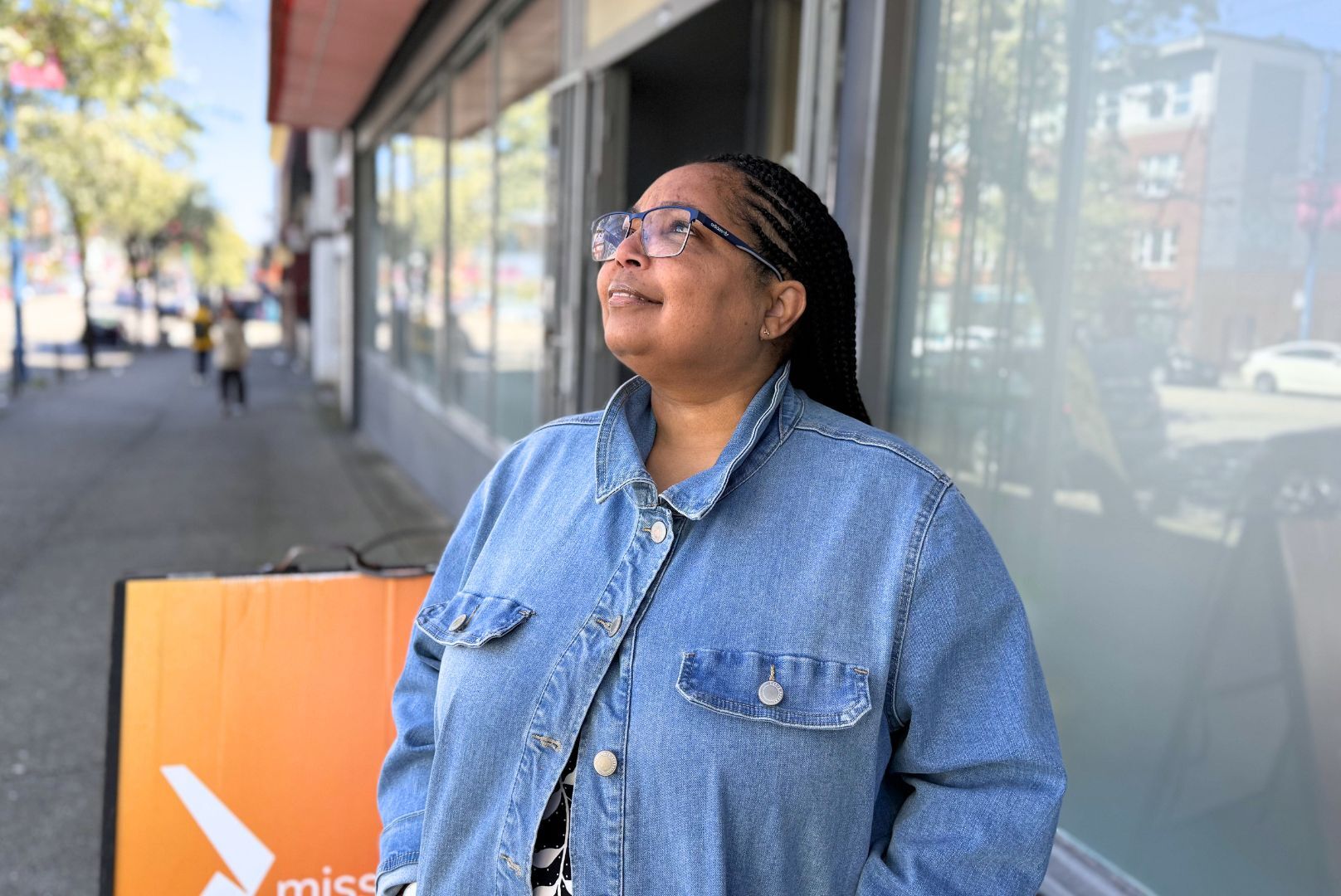
“Coaching helped me see how far I’ve come and gave me confidence to keep moving forward.” - Trudi, Graduated Mission Possible Associate
You may remember Trudi as one of our 2025 Momentum Award winners from our 17th Annual Mission Possible Gala. Since then, she has transitioned into peer support work, completing an internship with Coast Mental Health where she now works permanently as a Community Mental Health Worker. She has also received a scholarship to Douglas College to continue her studies in community mental health.
Today, we catch up with Trudi again to hear more about how coaching supported her on her transition to this new chapter of life.
Interested in learning more about Trudi's story? Click here to read her recently updated blog post!
Q: How did you feel about coaching before your first session, and then after?
A: I never had any experience with coaching. I wasn't sure exactly what to expect…[I had] a little bit of anxiety, because I was wondering what this culture was all about, but when I came out, I was relieved that I had the choice to decide what I wanted to discuss in this session. It wasn't going to be all about her, it was going to be about me, and what I was, what I wanted to talk about. So that was good. It was a little bit of self determination.
Q: What was your experience with coaching at MP?
A: Coaching for me at MP was very interesting, because each time [I met] with Erin, I had a problem that I wanted to discuss. She always gave me a way of dissecting it, dissecting the problem or looking at it from a different perspective. She always had a way of breaking it down and looking at it in bits instead of as a whole. She always taught me not to be too hard on myself. I was always too hard on myself. So each session, she told me to come in with a problem that I want to discuss, or an idea I want to discuss. I remember there was one time when I was telling her about how I was feeling about a particular issue, and she told me, "First of all, don't be too hard on yourself, everybody comes in with that problem," which I didn't even think that that was possible. She said to just make sure to be easy with myself.
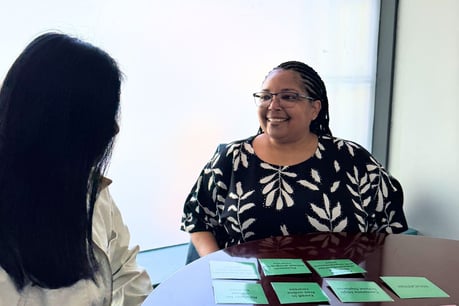
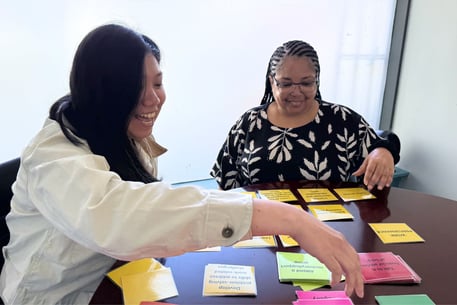
Q: How did coaching play a role in your journey through MP?
A: Well, I had a problem with a staff member, and not on the staff member's part. The staff member wasn't wrong; it was me that was in the wrong. And [Erin] didn't blame me or anything. She said, "You know this, these things happen." I told her what I wanted to do and she said she's not advising me what to do, because she said her goal there was not really to give me advice per se, or to encourage me to choose one choice over another. Her goal there was to give me all the information, to present the information, and then I can make a choice. And so, from what she told me, I was able to make a choice. I believe I made the right choice, but that is one thing that helped me through my time here at MP. The information that she gave me helped me to make, I think, better choices, and that she didn't influence my choices by giving me advice. She presented all the information and helped me to make my own choices.
Q: MP offers coaching sessions after graduation, based on needs and availability. Did you take advantage or attend any of these coaching sessions? What made you decide that you wanted to keep coming back for coaching?
A: Yes, I did. The whole point that I mentioned in the beginning, how Erin used to break down things. [Coaches] set the problem and put it into chunks, bits that were more digestible. That's what made me come back. It helped me to think a little bit more clearly and understand the problem a little bit more clearly and a little bit more understandably.
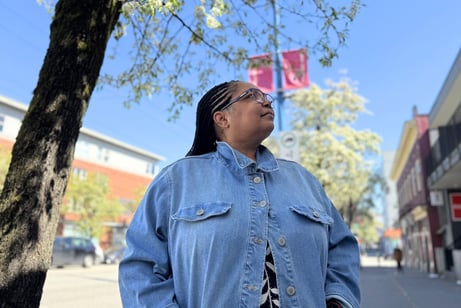
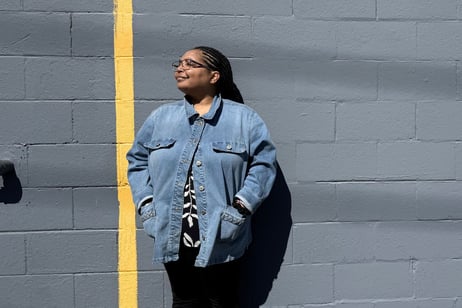
Q: You've mentioned a few of the coaching techniques that you've picked up, especially breaking down really big problems into small chunks, self-determination, and accountability. How do you take those techniques that you learned in coaching with Erin and apply them in your life and as a Community Mental Health Worker?
A: To be honest with you, I have not used them as often as I should…but I'm going to apply them going forward. I'm going to apply the breaking down of [problems], because that was Erin's strong point, breaking down problems into smaller pieces. So I'm going to use that more going forward.
Q: How do you find yourself using coaching techniques when you're interacting with other people?
A: I find myself using them in terms of when I'm speaking with people, telling them that things are not [their fault.] Everybody thinks the same way that I do, that things are their fault, that only they have that problem, that other people don't have the same problem, but they're not alone. They're not alone.
Q: Is there anything else you would like to share about your coaching experience?
A: It was awesome. You tend to get close to your coach, you rely on them a bit in helping you to solve problems…I'm trying to do the best I can do right now. I'm going full speed ahead.
Getting a job is only the first step. Coaching helps Mission Possible graduates stay employed, navigate challenges, and build a stable future. Make a gift today to help more folks like Trudi rebuild their lives.

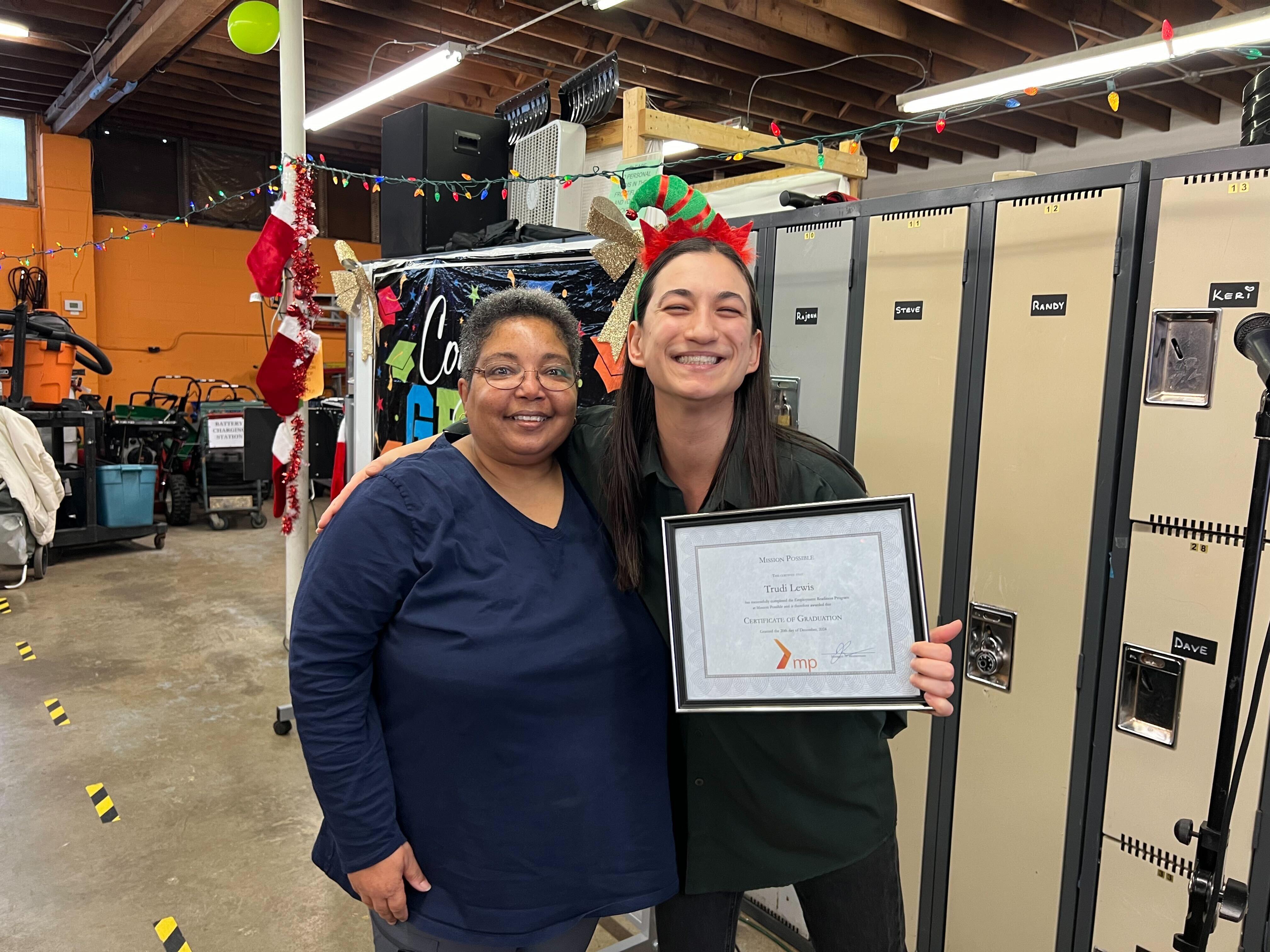
2 min read
Trudi was born and raised in Barbados, and moved to North America when she participated in a student exchange program in Missouri. Her desire to make...
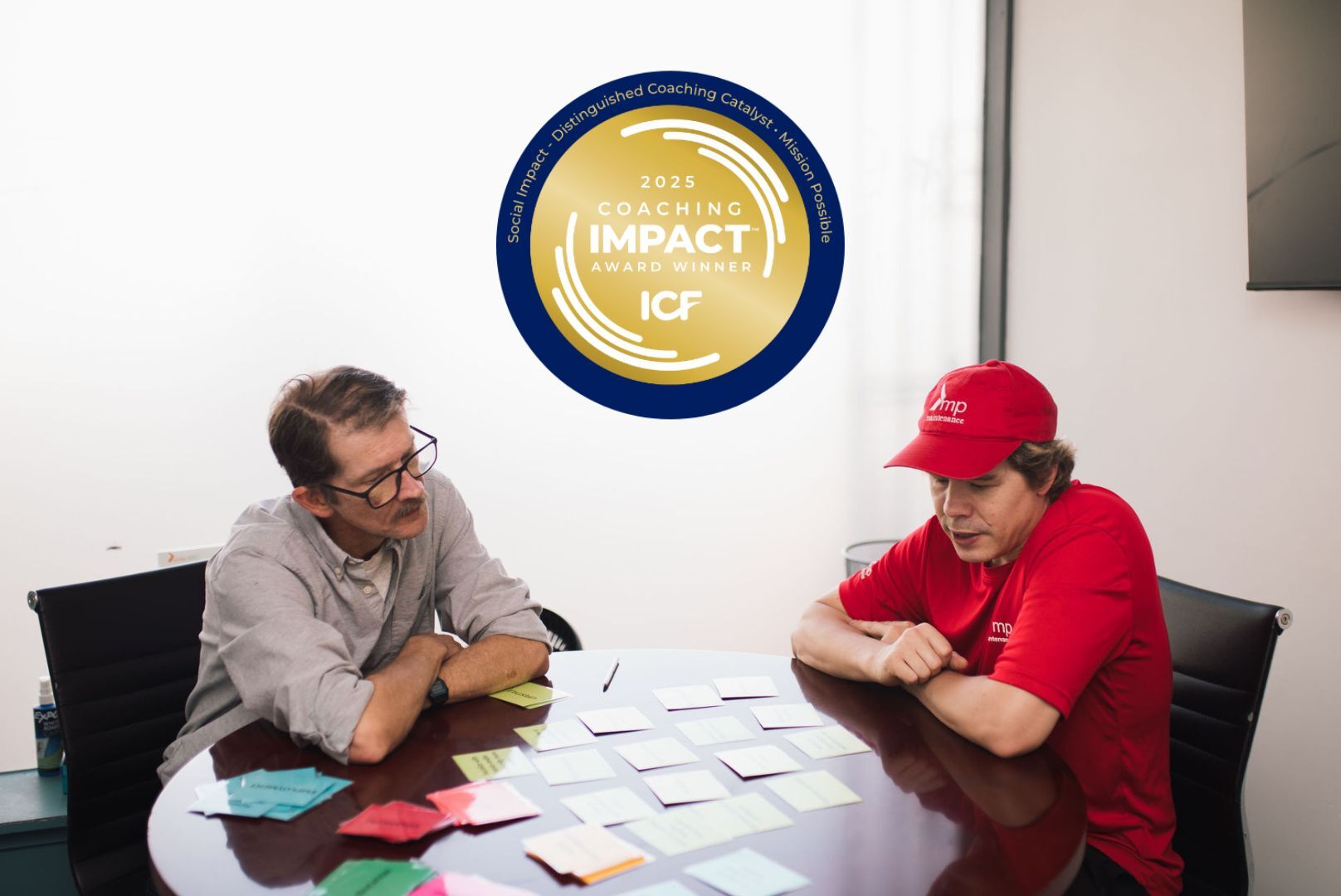
At Mission Possible, coaching isn’t just a program component. Coaching is at the heart of how we transform lives. Our coaching culture empowers every...
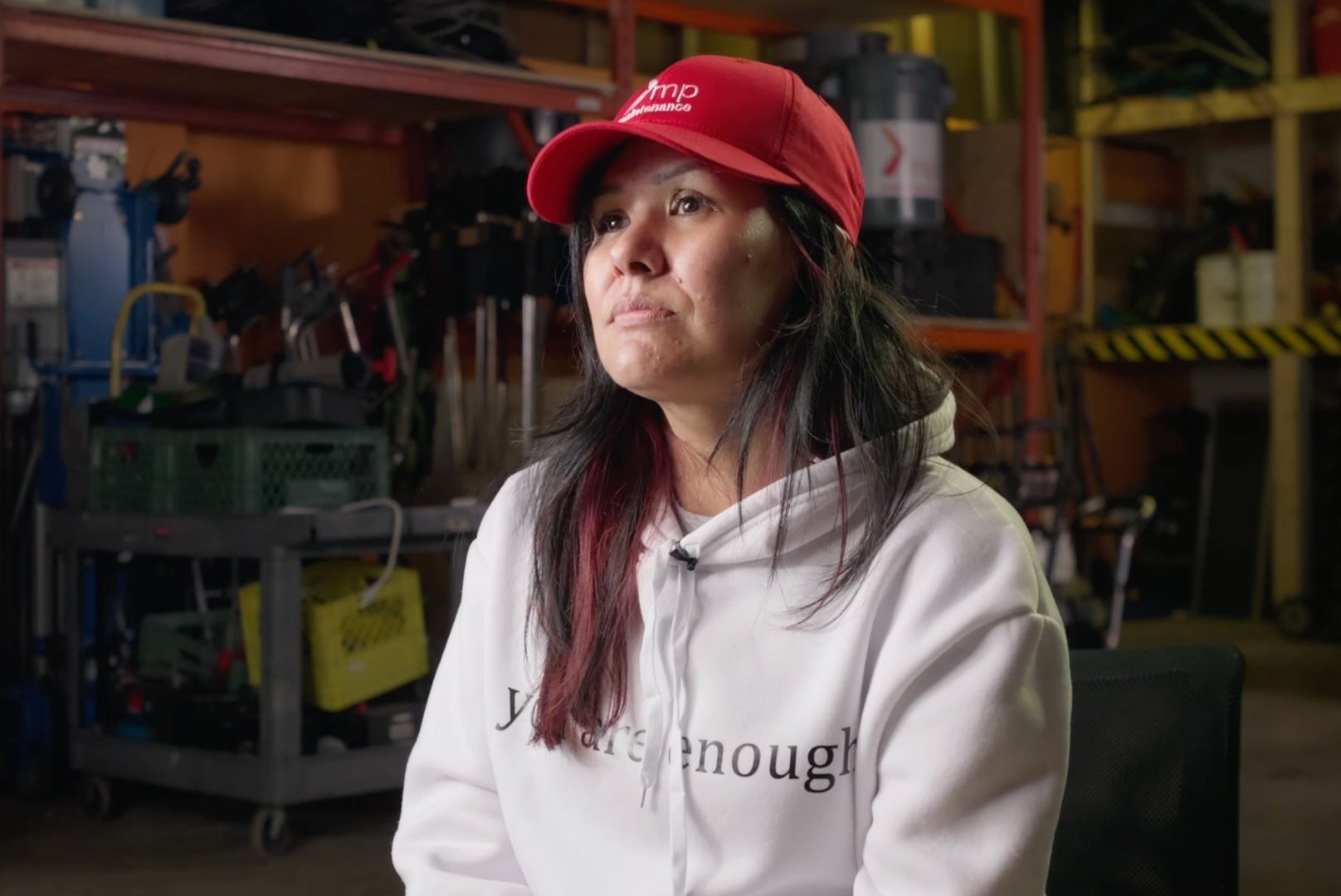
1 min read
Rochelle was born in the northern Manitoba community of Tadoule Lake. The area is very remote, accessible only by propeller plane most of the year,...